
Overview
Understanding the Central Nervous System (CNS)
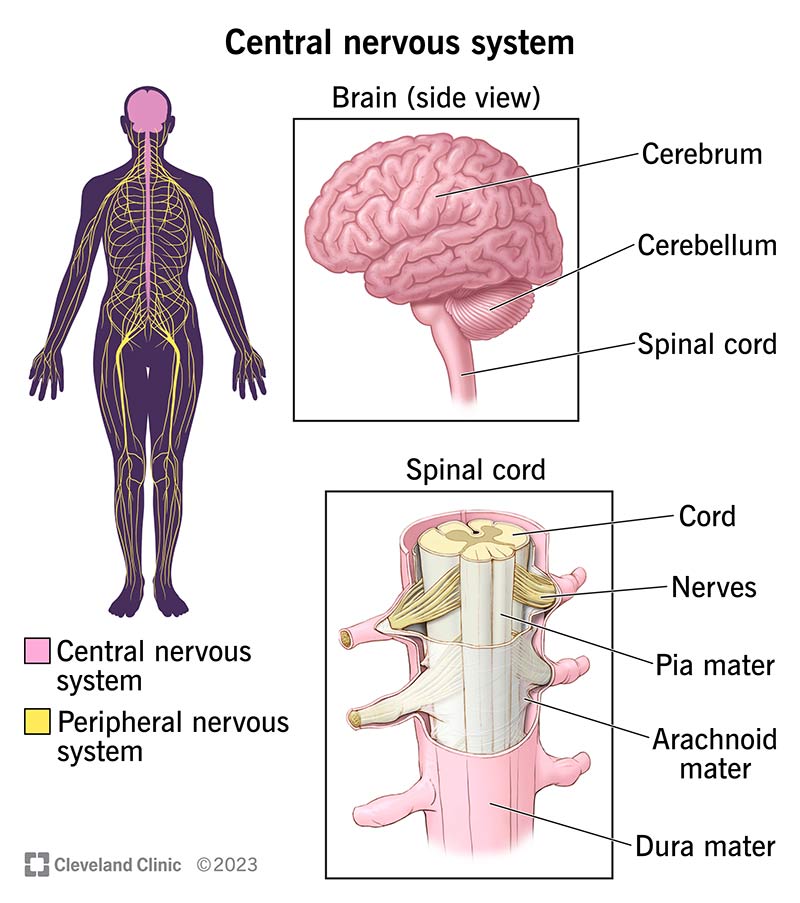
The Central Nervous System (CNS) serves as the primary control center of the human body, comprising the brain and spinal cord. Operating in continuous coordination with the peripheral nervous system, the CNS collects sensory data, integrates complex information, and regulates both voluntary actions and essential involuntary functions.
Primary Functions
Core Operational Mechanisms
The central nervous system operates through three primary physiological functions:
- Sensory Reception: Gathering electrical impulses and input from sensory neurons throughout the body.
- Information Integration: Processing, analyzing, and synthesizing sensory data within the brain.
- Motor Response Generation: Transmitting motor signals via the spinal cord to target muscles and glands to execute precise physical actions.
From conscious movements like walking to autonomic processes such as respiration and cardiac regulation, the CNS ensures seamless systemic functionality.
Anatomy & Structural Overview
Anatomical Organization
- Primary Components: Brain and Spinal Cord.
- Anatomical Location: Situated within the dorsal body cavity, encompassing the cranial cavity and spinal canal.
- Protective Structures: Encased in protective cranial and vertebral bones, cushioned by cerebrospinal fluid (CSF), and enveloped by three protective meningeal layers.
Clinical Conditions & Diagnostic Approach
Common Central Nervous System Pathology
Key pathological conditions affecting the CNS include:
- Neurodegenerative Disorders: Alzheimer's Disease, Amyotrophic Lateral Sclerosis (ALS)
- Vascular & Traumatic Events: Ischemic/Hemorrhagic Stroke, Traumatic Brain Injury (TBI), Spinal Cord Trauma
- Neoplastic & Inflammatory Conditions: Primary Brain Tumors, Transverse Myelitis
Clinical Signs & Symptoms
Pathological involvement of the CNS typically presents with:
- Altered consciousness, cognitive impairment, or memory loss
- Focal motor deficits, muscle weakness, or complete paralysis
- Sensory abnormalities (numbness, paresthesia, localized or radiating pain)
- Involuntary movements, muscle fasciculations, or seizure activity
- Acute severe headache, dizziness, or visual disturbance
Diagnostic Modalities
Comprehensive evaluation of CNS integrity involves:
- Neuroimaging (CT and MRI Scans)
- Neurophysiological Testing (Electroencephalogram - EEG)
- Invasive Diagnostics (Lumbar Puncture / Spinal Tap)
Preserving CNS Health
Clinical Recommendations for Optimal Function
Maintaining CNS longevity and structural integrity requires a comprehensive approach to both physical and neurological health:
- Systemic Health Management: Adequate hydration, balanced nutrition, and regular cardiovascular exercise.
- Trauma Prevention: Utilizing protective gear and helmet safety during sports and high-risk activities.
- Neuro-Psychiatric Well-being: Maintaining healthy sleep architecture, stress reduction practices, and cognitive engagement.